
Web and mobile app development
QBLab builds web apps, mobile apps for iOS and Android and the backend behind them, then deploys and maintains them — one team, working in repositories and cloud accounts that are yours from day one.
Development
Who it's for
- You have a product to build and want it live this quarter, not next year.
- You have a half-built product, or one another team left behind, that needs finishing.
- You need a web app, a mobile app and a backend, and would rather not hire three teams to get them.
What's included
Web, mobile and the backend behind them, engineered to grow.
- Web apps
- Mobile apps
- Backend and APIs
- Dashboards
- Integrations
How an engagement works
The four-week shape is a first release of the scope we agree on the call — the version that is genuinely usable, not the finished product. Bigger products get there in stages, and most keep growing for months afterwards. Your case studies below carry their real timelines.
Day 1
A 30-minute call
You describe the product. We ask the questions that change the estimate, and you leave with a plan and a fixed quote.
Week 1
Plan and design
Scope, screens and data model agreed. You see what will be built before anything is built.
Weeks 2–3
Build
Working software every few days, not a reveal at the end. AI does the fast part; a senior engineer reviews every change.
Week 4
First release
The agreed scope goes live on your accounts and your infrastructure, with the stores and domains pointed at it. Usable by real people, and the starting point rather than the finish line.
Ongoing
Keep building
Month by month: the rest of the roadmap, new features, updates, monitoring and looking after the tech. This is where a first release grows into a complete product. Pause or stop whenever you like.
The work
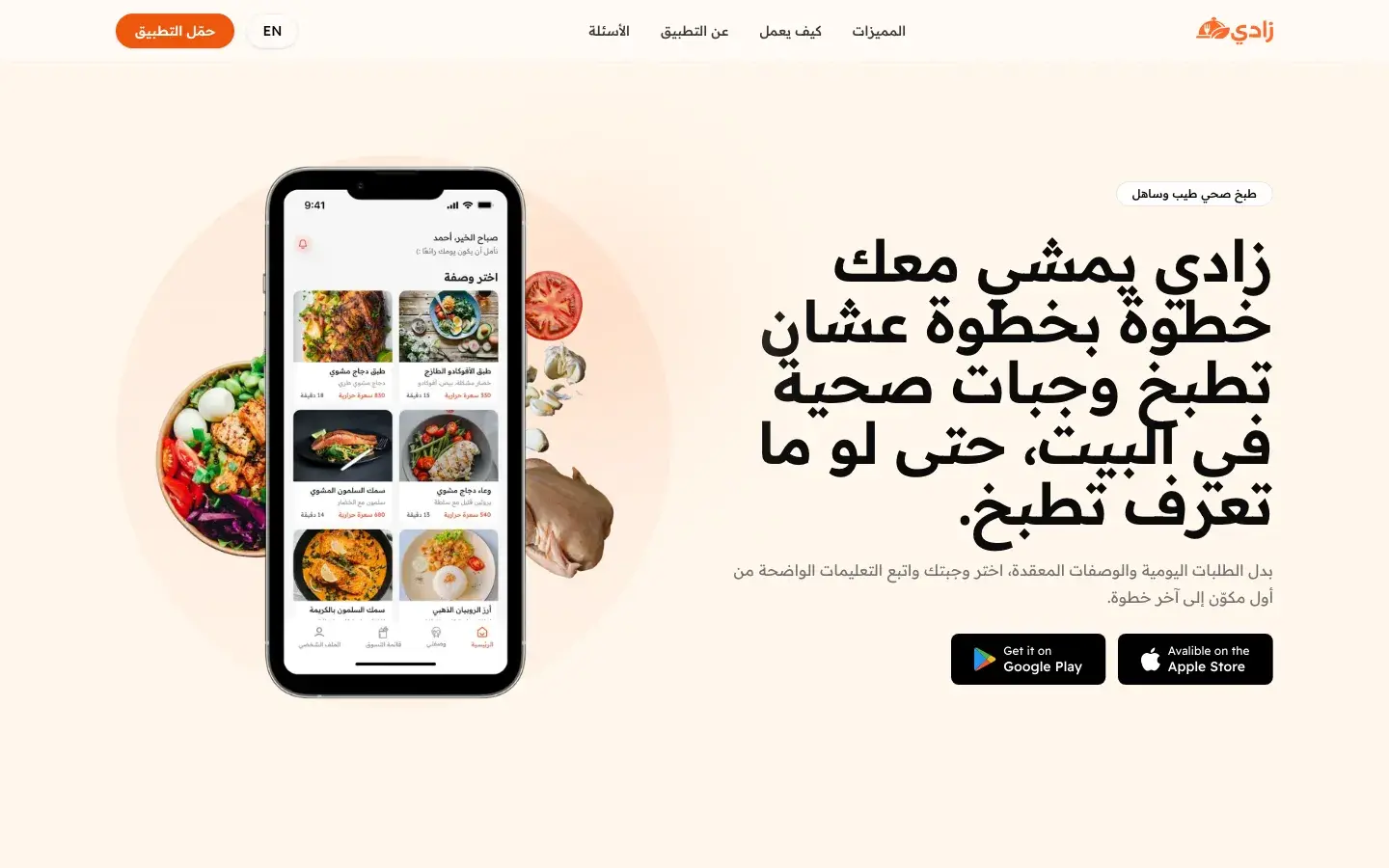
Zadi
A halal meal-planning app: guided recipes, weekly plans and an auto-built grocery list, in Arabic and English on iOS and Android.
TypeScript · React Native · Expo · Next.js
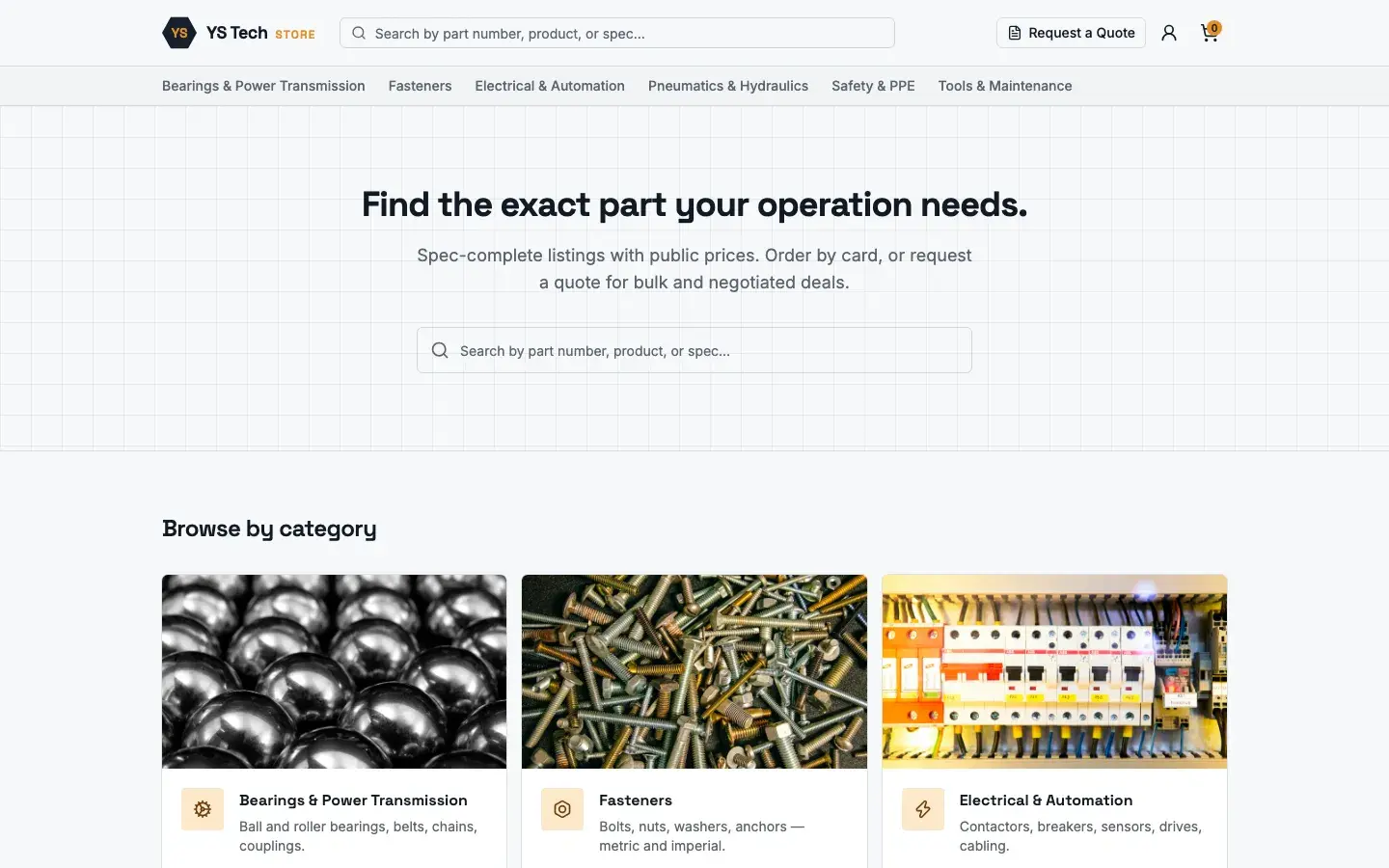
YS Tech
An industrial supplies store for buyers in construction, manufacturing and energy: full specifications, public prices and quotes for bulk orders, with the company site alongside.
TypeScript · Next.js · React · Tailwind CSS
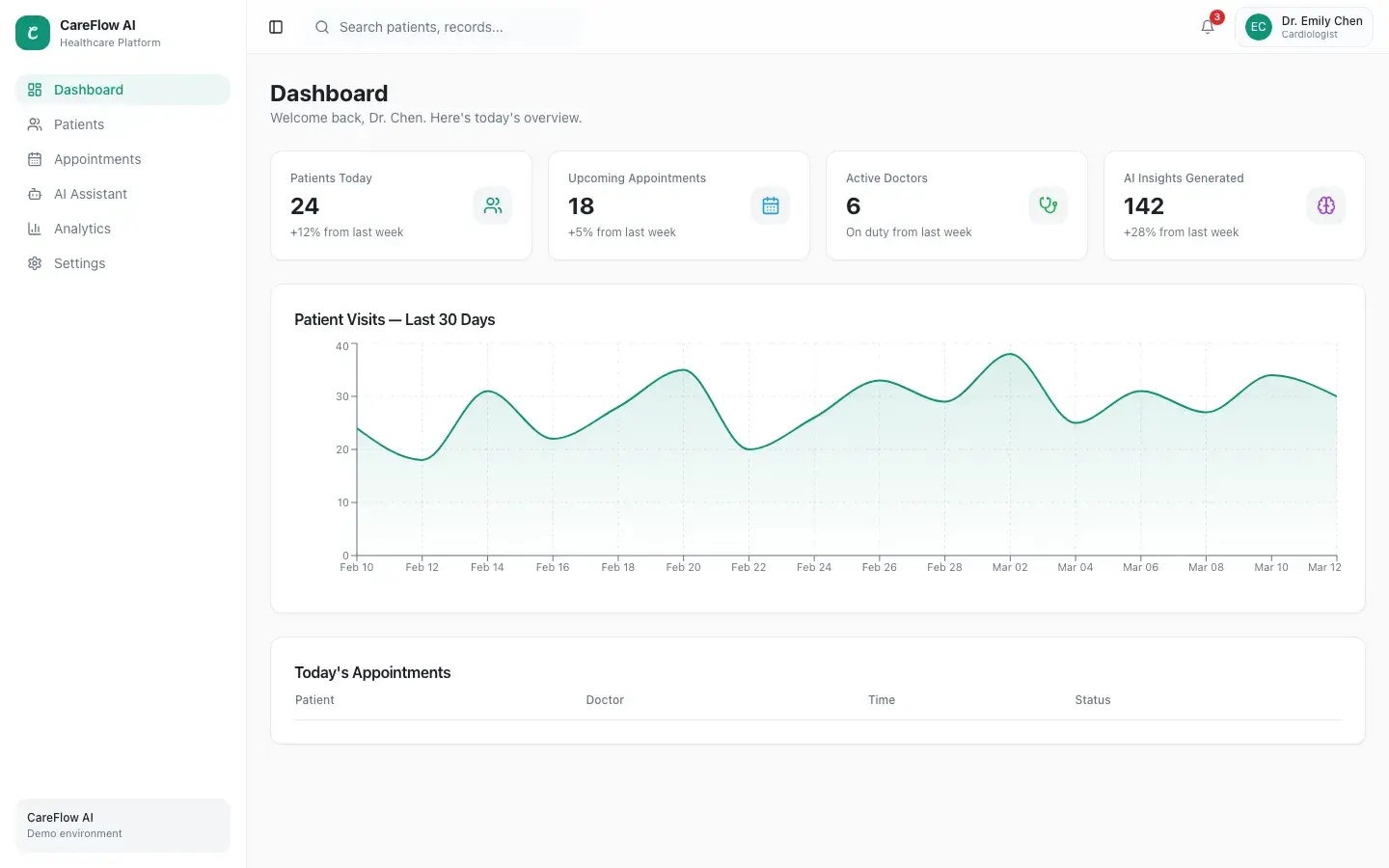
CareFlow
A telehealth platform for clinics: patients, appointments and an AI clinical assistant in one place.
TypeScript · React · Vite · Tailwind CSS
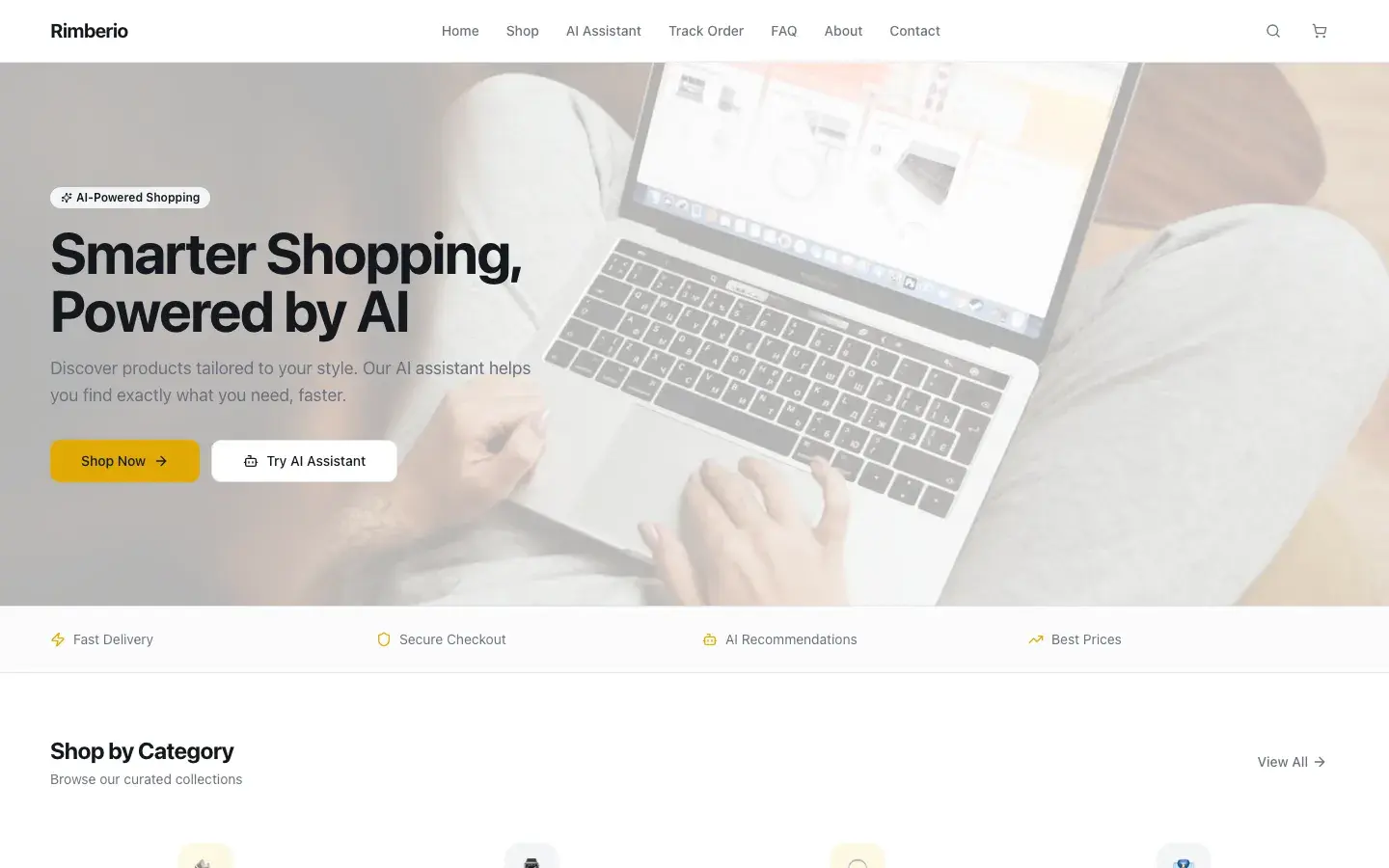
Rimberio
An online store with AI product recommendations and a shopping assistant that helps people find what they came for.
TypeScript · React · Vite · Tailwind CSS
Questions
What do you build with?
TypeScript across the whole product. React and Next.js on the web, React Native and Expo for iOS and Android from one codebase, NestJS and Node.js on the backend, PostgreSQL or MongoDB with Prisma, Redis, Docker, and Tailwind CSS. The case studies below name the exact stack each product runs on.
Can you take over a codebase someone else started?
Usually, yes. We read what is there first and tell you plainly whether finishing it is cheaper than replacing it — sometimes it is not, and you should hear that before you pay for either. Either way you leave the call with a plan and a fixed quote.
Who deploys it, and where does it run?
We deploy it, on your accounts and your infrastructure, with the app stores and the domains pointed at it. You own the code and the accounts from day one, so if you stop working with us the product keeps running exactly as it is.
Do you build the backend, or only the app?
Both. The API, the database, the admin dashboard your team runs the product from, and the integrations it needs — payments, sign-in, messaging, third-party systems. A front end with nothing behind it is not a product.
What happens after the first release?
Most teams stay on a monthly subscription for the rest of the roadmap, new features, updates and monitoring. If you would rather take it in-house, we hand over documentation and walk your team through it.